

The Basics of Slot Machine Operation
Slot machines operate based on a combination of mechanical and electronic principles. Traditional machines used physical reels that spun and stopped to create winning combinations, whereas modern machines often utilize video screens with digital representations of reels. Many players enjoy the thrill of trying their luck at a variety of games, including the 24 dollar neosurf casino options available today. The outcome of each spin is determined by a random number generator (RNG), which ensures that the results are random and fair. This RNG is crucial for maintaining the integrity of the game, as it allows for unpredictable results that contribute to the exciting nature of slot play.
A slot machine typically consists of several key components that impact its mechanics. Reels, paylines, and symbols are fundamental elements. The reels are where the symbols display, and the paylines determine the patterns in which players can win. The combination of symbols across an active payline will determine whether a player wins and how much they earn. With the advent of digital technology, many online versions have expanded these elements with additional features, such as cascading reels and multiple payline options, enhancing the gaming experience further.
Understanding the mechanics of how slots are designed can help players make informed choices. Each slot machine is set with a specific return-to-player (RTP) percentage, which indicates the average amount a player can expect to win back over time. This percentage varies among different games and is essential for players to consider. Choosing games with a higher RTP can lead to better long-term outcomes, although it is crucial to remember that these are statistical averages and individual results will vary.
Types of Slot Machines
There are several types of slot machines available, each offering unique gameplay experiences. Classic slot machines feature three reels and traditional symbols like fruits and bars, providing a nostalgic experience for players. Video slots, on the other hand, have advanced to include five or more reels and often showcase elaborate graphics and themes, which can range from movies to mythology. These modern slots frequently incorporate bonus rounds, free spins, and other interactive features that make the gameplay more engaging.
Progressive slots represent another popular category, whereby a small portion of each bet contributes to a growing jackpot. These machines can offer life-changing sums of money, but they also tend to have a lower RTP compared to standard slots. Players are lured in by the chance of winning a significant prize, yet it is vital to balance the thrill of potential winning against the odds. Understanding these variations in type can greatly impact a player’s choice in what to play.
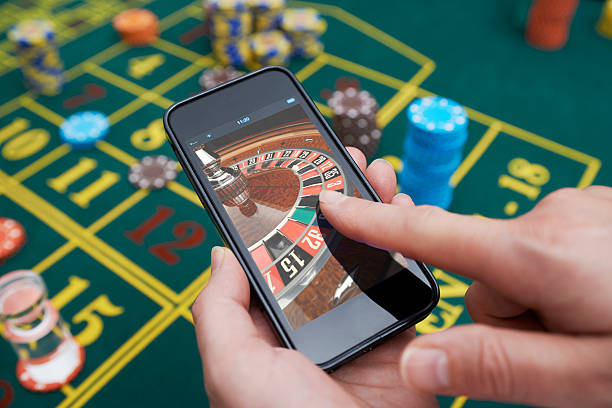
Moreover, themed slots have gained traction in recent years, where games are designed around popular culture, characters, or narratives. For example, a game based on a popular movie might include symbols and sound effects that are instantly recognizable to fans, further immersing them into the experience. The incorporation of engaging storylines and graphics complements the traditional mechanics of spins and payouts, creating a holistic entertainment experience for players.
The Role of Random Number Generators
At the heart of every slot machine is the random number generator (RNG), a critical element that ensures the fairness of the game. RNGs generate thousands of numbers each second, even when no one is playing. When a player presses the spin button, the RNG selects a number at that precise moment, determining the outcome of that spin. This technology is crucial in maintaining the integrity of the game and safeguarding against cheats and manipulation.
The reliability of RNGs has been validated by third-party testing agencies, which regularly check for compliance with regulatory standards. Fairness is a paramount concern in the gaming industry, and players can feel assured that their chances are entirely random and not influenced by previous spins or player behavior. This level of randomness is essential, as it establishes trust in the gaming environment, encouraging players to return based on their confidence in the system.
Additionally, players should be wary of myths surrounding RNGs, such as the belief that patterns can be detected or that certain machines are “due” for a payout. Such misconceptions can lead to misguided strategies. Instead, understanding that each spin operates independently and that outcomes are not influenced by prior results can empower players to approach the games with more realistic expectations and strategies.
The Psychology of Slot Machines
The design of slot machines is as much about psychology as it is about mechanics. Game designers employ various techniques to engage players, such as bright colors, stimulating sounds, and immersive themes. These elements are carefully curated to create an environment that encourages prolonged play. For instance, sounds associated with winning, such as celebratory jingles, are strategically used to reinforce positive experiences and entice players to continue playing.
The concept of “near-misses” is another psychological tactic often observed in slot design. When players almost hit a winning combination, it can provoke a greater emotional response, leading them to believe they are closer to a victory than they actually are. This can perpetuate a cycle of play, driving players to spend more time—and money—on the machine in hopes of eventually hitting a win. Such design principles highlight the importance of understanding both the mechanics and psychological elements of play.
Moreover, the accessibility of slot machines contributes to their popularity. With low barriers to entry—such as minimal betting amounts—players may be inclined to try their luck without a significant financial commitment. This accessibility, combined with the thrill of rapid spins and potential big wins, makes slot machines an appealing choice for many gamblers. Knowledge of these psychological factors can help players keep their gambling habits in check and encourage responsible play.
Exploring Responsible Gaming and Resources
Understanding slot machine mechanics extends beyond gameplay; it also encompasses the importance of responsible gaming. Players should be aware of their gambling habits and set limits on time and money spent. Many casinos and online platforms provide resources and tools for players to self-monitor their play, ensuring that entertainment does not morph into compulsive behavior. Knowing when to walk away is crucial for a healthy gaming experience.
Numerous organizations offer support and information for those seeking assistance with gambling issues. They provide resources such as counseling, support groups, and educational materials aimed at fostering responsible gambling practices. Players are encouraged to take advantage of these services, especially if they feel their gameplay has become problematic. The gaming community is increasingly attentive to these issues, emphasizing the importance of player well-being.
Finally, the evolving landscape of gaming technology continues to enhance the availability of information about responsible gaming. Many online platforms now feature dedicated sections that educate players on responsible gambling and the mechanics of games. By promoting an understanding of both the entertainment aspect and the potential risks involved, players can enjoy their gaming experience while staying informed and safe.
